Need a podcast or service?
Click to talk to Kate — she’ll recommend the best episode.

Podcasting, Media Growth & Business Strategy

Articles, show notes, and episode highlights focused on podcast production, podcast marketing, website SEO, and building authority online.

Jump to a post

Back to top ↑
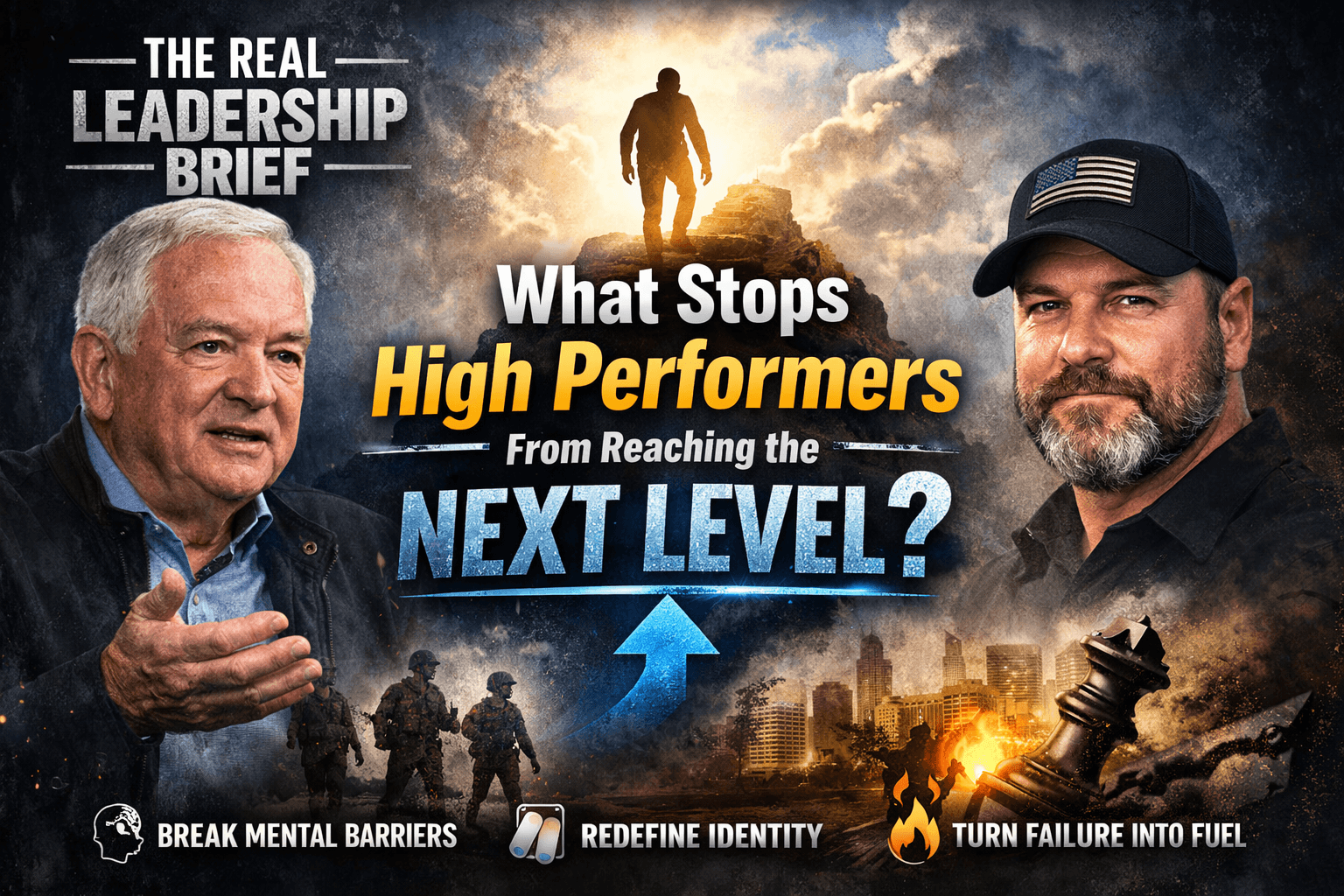
What Stops High Performers From Reaching the Next Level?
February 24, 2026

What Stops High Performers From Reaching the Next Level?

What stops high performers from reaching the next level? Discover the mindset shifts, leadership pillars, and identity breakthroughs shared by Robert White.

High performers don’t fail because they lack talent.

They stall because of hidden mental barriers.

In this powerful episode of The Real Leadership Brief, Donald Dunn sits down with serial entrepreneur, executive mentor, and author Robert White to answer a question many driven professionals silently wrestle with:

Why do high achievers hit a ceiling — even when they’re capable of more?

This conversation explores leadership psychology, entrepreneurial resilience, identity, and the belief systems that either unlock extraordinary growth or quietly sabotage it.

Listen to the full episode here:
👉 https://barracksmedia.com/network/the-real-leadership-brief

The Hidden Belief That Sabotages High Performers

Robert shares the deeply personal story behind his book Living an Extraordinary Life.

Before becoming a globally recognized entrepreneur — and building one of the largest training companies in Asia — he endured:

  • Childhood trauma
  • Three heart attacks before age twenty-three
  • Crushing self-doubt
  • The persistent belief: “I am not enough.”

That belief is more common than most leaders admit.

High performers often compensate with achievement. They win. They build. They succeed. But internally, they’re still chasing validation.

And that chase becomes the ceiling.

Why Fear Before Performance Is Actually an Advantage

One of the most practical takeaways from this episode:

Fear before performance isn’t weakness. It’s energy.

The difference between reactive leaders and transformational leaders isn’t the absence of fear — it’s how they interpret it.

Reactive leaders:

  • See fear as a signal to withdraw
  • Protect identity at all costs
  • Avoid risks that threaten status

Transformational leaders:

  • Reframe fear as readiness
  • Use it as fuel
  • Lean into discomfort strategically

If you’re leading a company, a team, or even rebuilding your life after service, this distinction changes everything.

The Three Pillars of Sustainable Leadership

According to Robert, long-term leadership success rests on three pillars:

1. Purpose

What are you actually building?
Not revenue — meaning.

2. Vision

Where are you going, and is it compelling enough to endure failure?

3. Values

What lines will you refuse to cross, even when pressured?

Without these three, high performers default to chasing outcomes instead of creating impact.

Why Veterans Often Struggle After Service

This episode hits especially hard for veterans.

When service ends, identity often goes with it.

Mission clarity disappears. Structure disappears. Brotherhood shifts. The rank no longer defines you.

Many veterans don’t struggle with capability — they struggle with identity reconstruction.

That’s where purpose becomes critical.

If you’ve worn the uniform, you know the discipline. The problem isn’t ability. It’s direction.

This conversation offers a practical framework for rebuilding identity after service without losing your edge.

Using Failure as Fuel Instead of Identity

Robert built massive success.

Then he lost everything.

And rebuilt again.

That’s the difference between leaders who peak once and leaders who evolve.

Failure becomes fatal when:

  • It attaches to identity
  • It reinforces “I’m not enough”
  • It becomes proof instead of data

Extraordinary leaders treat failure as information — not definition.

The Culture Lesson From a Multi-Million Dollar Trucking Company

One of the most unexpected stories in the episode comes from a multi-million dollar trucking company.

The owner didn’t build success through control.

He built it through clarity.

  • Clear expectations
  • Clear standards
  • Clear values

Culture is not slogans on walls.

It’s behaviors that get rewarded.

That applies whether you’re leading a corporation, a startup, or rebuilding your life after collapse.

What Separates Reactive Leaders From Transformational Leaders?

Reactive Leaders:

  • Protect ego
  • Defend status
  • Operate from fear
  • Avoid uncomfortable conversations

Transformational Leaders:

  • Choose growth over comfort
  • Build culture intentionally
  • Align decisions with purpose
  • Develop others, not just outcomes

The shift is internal before it’s operational.

Resources Mentioned in This Episode

  • Living an Extraordinary Life
  • Free Eight Principles Guide: extraordinarypeople.com
  • Additional leadership and growth resources: ordinarypeople.com

Who This Episode Is For

This conversation is especially valuable if you are:

  • A business owner scaling beyond founder mode
  • An executive battling self-doubt privately
  • A veteran rebuilding identity after service
  • An entrepreneur facing failure
  • A leader trying to grow without losing yourself

If you want surface-level leadership advice, this isn’t it.

If you want to understand what actually holds high performers back — and how to break through — this episode will challenge you.

Explore More Leadership Conversations

Listen to the full episode here:
👉 https://barracksmedia.com/network/the-real-leadership-brief

Discover more shows inside the Barracks Media Incorporated network at:
👉 https://barracksmedia.com

For more conversations on leadership, veteran identity, entrepreneurship, and building something meaningful after failure, explore additional episodes across the Barracks Media Network.
What Does It Take to Drive 8,000 Miles Across Africa Without GPS?
February 24, 2026

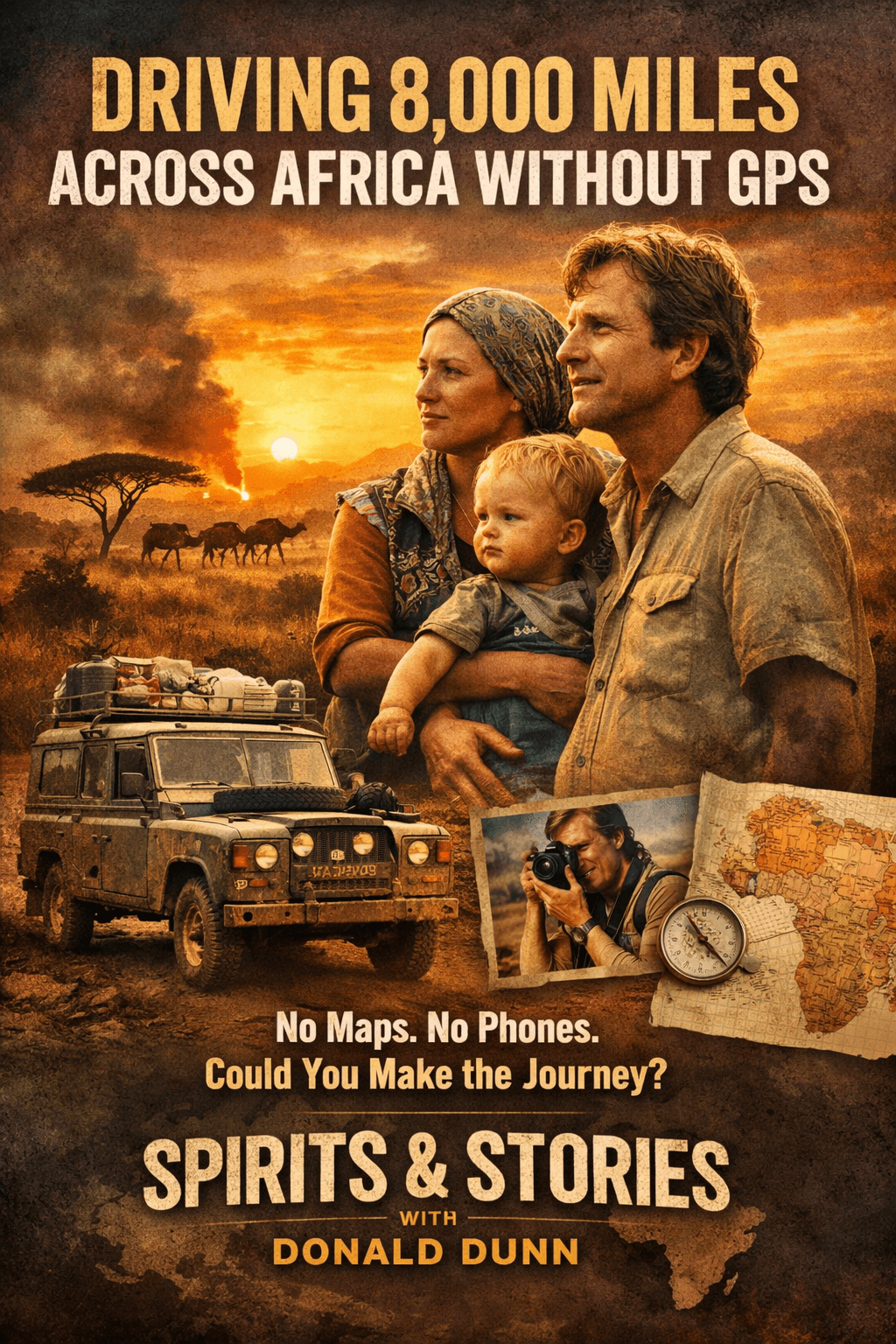
What Does It Take to Drive 8,000 Miles Across Africa Without GPS?

Drive 8,000 miles across Africa without GPS. Barry Maughan shares lessons on courage, family, resilience, and travel before modern technology.

In this powerful episode of Spirits and Stories with Donald Dunn, adventurer, journalist, and memoirist Barry Maughan shares the extraordinary true story of crossing the length of Africa with his wife and their one-year-old son — long before digital maps or constant connectivity.

👉 Listen to the full episode here:
https://barracksmedia.com/network/spirits-and-stories-with-donald-dunn

This isn’t just a travel story.

It’s a masterclass in preparation, humility, courage, and human connection.

Overland Travel Across Africa Before GPS and Smartphones

Today, travel is guided by Google Maps, translation apps, and emergency beacons. But in the 1970s, overland travel through Africa required something far more demanding:

  • Paper maps
  • Local knowledge
  • Mechanical ingenuity
  • Cultural sensitivity
  • And absolute self-reliance

Barry recounts navigating jungle washouts, desert crossings, malaria outbreaks, mechanical breakdowns, and even political coups across fifteen African countries.

There were no “tethers” to the outside world.
If something went wrong — you handled it.

And yet, what he found wasn’t chaos.

It was humanity.

Is Africa Safe to Travel?

One of the most searched questions about the continent is simple:

“Is Africa safe?”

Barry’s experience challenges the simplistic narratives often portrayed in Western media.

Through humility and respect, he and his family were welcomed into villages, homes, and communities across diverse regions. What he discovered was not a monolithic continent defined by danger — but a mosaic of cultures, generosity, complexity, and resilience.

Travel, he explains, reduces fear.

Exposure builds understanding.

And human connection dissolves stereotypes.

Lessons From Driving the Length of Africa as a Family

This wasn’t bravado. It wasn’t thrill-seeking.

It was intentional.

Barry shares how this journey shaped:

  • His children’s worldview
  • His journalism career with Voice of America
  • His understanding of political upheaval and drought
  • His philosophy on courage and preparedness

One defining moment he calls the “oneness of love” experience reframed everything. It became the emotional core of the entire expedition — and later inspired his memoir, Beneath the African Sun.

This episode explores:

  • What Africa was like before modern travel technology
  • How serendipity shaped a life-changing expedition
  • Covering political instability as a foreign correspondent
  • Why extreme travel builds resilience and perspective
  • How stepping beyond fear changes a life

How Extreme Travel Changes You

Many people ask:

  • What life lessons come from long-distance adventure?
  • How does extreme travel change a family?
  • What was overland Africa travel like before GPS?
  • Can immersive travel reduce prejudice and fear?

Barry’s story provides real answers.

When you strip away convenience and control, you’re left with something essential:

Human connection.

And that connection — across language barriers, borders, and belief systems — is what ultimately defined the journey.

From Africa to Voice of America

Barry Maughan’s experiences didn’t end when the wheels stopped turning.

They shaped a career in journalism, including work with Voice of America, covering political upheaval, drought, and global issues from firsthand experience.

His memoir, Beneath the African Sun, documents not just geography — but growth.

You can learn more at:

https://barrymaughan.com

Why This Conversation Matters Now

In a world saturated with headlines, polarization, and digital noise, this conversation reminds us of something grounding:

Fear shrinks with exposure.
Understanding expands with proximity.
Humanity is universal.

This episode of Spirits and Stories with Donald Dunn isn’t about nostalgia for analog travel.

It’s about perspective.

It’s about stepping beyond fear.

It’s about discovering that the world is far more nuanced — and far more connected — than we are often led to believe.

Listen to the Full Episode

If you’ve ever wondered:

  • What does it take to drive 8,000 miles across Africa?
  • Is Africa safe for travelers?
  • What was overland travel like before GPS?
  • How does immersive travel shape children and families?
  • What life lessons come from long-distance adventure?

This episode answers those questions — and more.

🎧 Listen here:
https://barracksmedia.com/network/spirits-and-stories-with-donald-dunn

🌐 Explore more shows from the Barracks Media Network:
https://barracksmedia.com/network

If this story resonates with you, share it.
Conversations like this are how we replace fear with understanding.

And that’s how perspective changes lives.

Can You Leave Religion but Keep Your Faith?
February 18, 2026

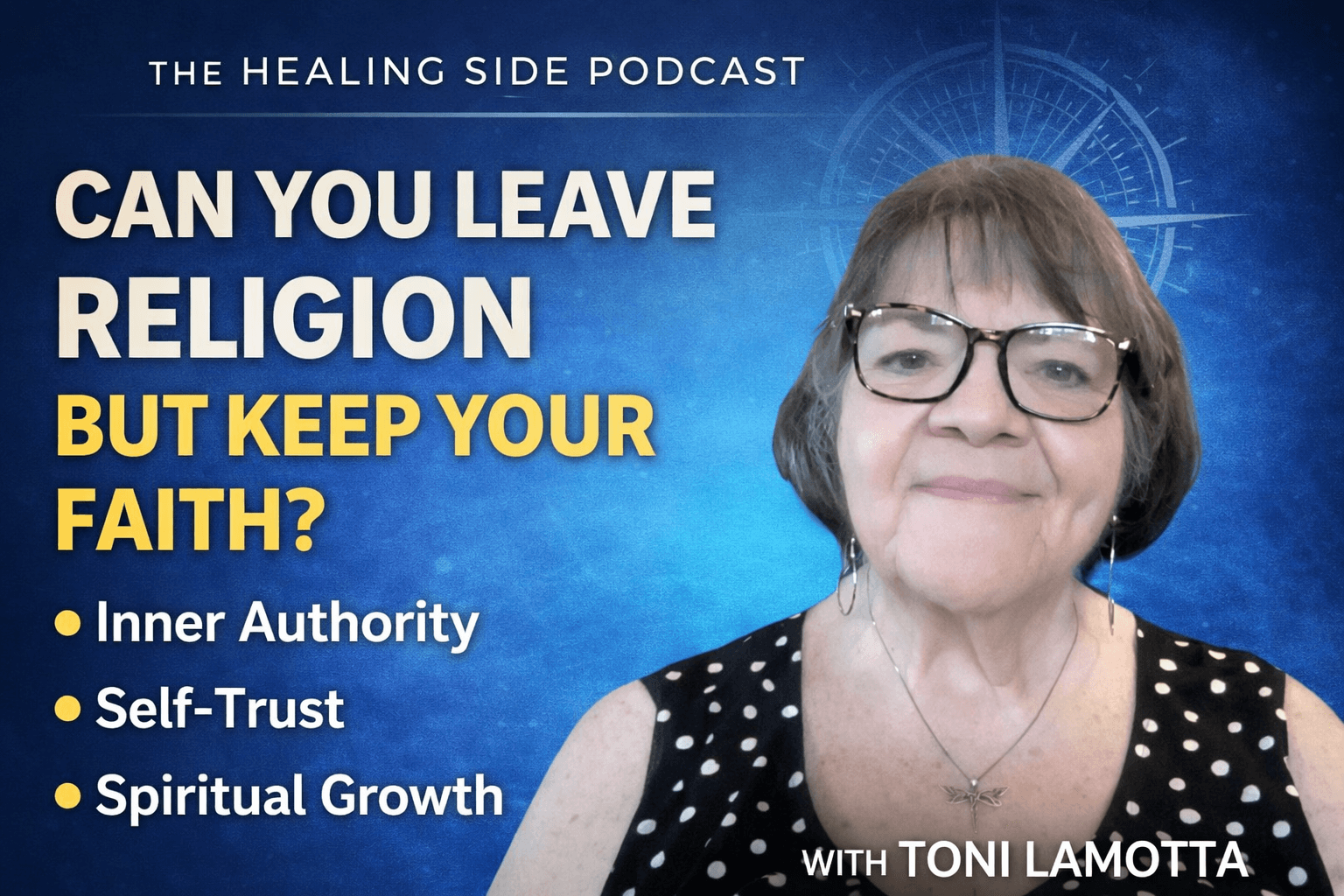
Can You Leave Religion but Keep Your Faith?

Can you leave religion but keep your faith? Explore spiritual growth, inner authority, and self-trust through healing, self-discovery, and personal development.

There is a question more people are quietly asking than you might realize:

Can you walk away from religion without walking away from faith?

For many, religion and faith feel inseparable — almost like abandoning one means losing the other. But lived experience tells a far more complex story. Every year, countless individuals step away from institutions, doctrines, or traditions while discovering something unexpected: their faith doesn’t disappear. In many cases, it deepens.

At Barracks Media, we’ve seen this theme surface again and again across conversations on healing, identity, purpose, and personal growth. The tension between religious structure and personal belief is no longer a fringe topic. It’s a defining part of modern spiritual life.

Let’s unpack why.

Religion and Faith Are Not the Same Thing

Religion is a system.

Faith is an experience.

Religion provides structure — rituals, rules, language, hierarchy, community. Faith, on the other hand, is internal. It is trust, meaning, connection, intuition, and belief. One is external; the other is deeply personal.

When people say they are “losing their religion,” they are often not losing faith at all. They are questioning frameworks that no longer feel aligned with their evolving understanding of themselves and the world.

This distinction matters.

You can reject a system without rejecting meaning.
You can outgrow a structure without abandoning belief.

Why This Question Is Increasingly Common

Modern life creates friction with rigid identity models.

People grow. Perspectives shift. Life experiences challenge inherited narratives. Trauma, education, relationships, and self-reflection all reshape how individuals interpret truth and purpose.

What once felt stable may start to feel restrictive.

This does not signal failure or rebellion. It often signals development.

Psychological and developmental models — including integral theory and adult learning frameworks — suggest that human understanding naturally evolves. Beliefs formed in one stage of life may no longer fit another.

The discomfort many feel is not necessarily a crisis of faith.

It may be a crisis of fit.

Leaving Religion Often Triggers Fear

Walking away from religious identity can feel terrifying. The fears are predictable:

  • Am I betraying my past?
  • Will I lose my moral compass?
  • What if I’m wrong?
  • Who am I without this structure?

These fears are not irrational. Religion often provides community, certainty, and belonging. Removing that framework can create a sense of groundlessness.

But here is the critical insight:

Uncertainty is not the absence of faith.

For many people, it is the beginning of a more honest one.

Faith After Structure: What Actually Happens

Contrary to common assumptions, stepping away from religion does not automatically lead to nihilism or spiritual emptiness. In fact, many report the opposite:

  • A stronger sense of inner authority
  • Greater self-trust
  • More authentic belief
  • Increased compassion for self and others
  • A deeper, less fear-driven spirituality

Why?

Because belief becomes chosen rather than inherited.

Faith moves from obligation to alignment.

The Role of Self-Discovery in Spiritual Growth

One of the most overlooked elements in spiritual transition is self-understanding.

People frequently confuse conditioned belief with genuine conviction. When external authority loosens, individuals are forced to ask more fundamental questions:

  • What do I actually believe?
  • What feels true versus taught?
  • What experiences shaped my worldview?
  • What fears keep me attached to certain ideas?

This process is uncomfortable — and profoundly transformative.

Tools like reflective journaling, mindfulness practices, and contemplative disciplines often become central during this phase. They shift authority inward. They encourage direct engagement with one’s own thinking, emotions, and intuitions.

If you’re exploring these ideas, you’ll find deeper discussions on identity, mindset, and personal evolution through our ongoing work:

👉 https://zlpceut.substack.com/?utm_campaign=pub&utm_medium=web

Reframing the Narrative: Evolution, Not Abandonment

A powerful shift occurs when leaving religion is no longer framed as rejection, but as development.

Growth does not erase the past.

It integrates it.

Many individuals retain core values, ethical frameworks, and even elements of belief while releasing components that no longer resonate. This is not spiritual failure. It is psychological and existential maturation.

You are not required to remain identical to your former self.

The Deeper Question Behind the Question

When someone asks, “Can I leave religion but keep my faith?”, they are often asking something deeper:

Can I trust myself?

Can I think independently?
Can I listen to my own voice?
Can I hold meaning without external enforcement?

This is less about theology and more about inner authority.

And that conversation — the intersection of identity, belief, psychology, and growth — is exactly the kind of territory Barracks Media exists to explore.

Final Thought

Faith does not belong to institutions.

It belongs to human experience.

For some, religion remains a lifelong anchor. For others, it becomes a chapter rather than a destination. Neither path is inherently superior. What matters is coherence — living in alignment with what genuinely feels true, examined, and consciously chosen.

The real risk is not leaving.

The real risk is never questioning.

If these ideas resonate, continue the exploration:

👉 https://zlpceut.substack.com/?utm_campaign=pub&utm_medium=web

Growth begins where honest questions are allowed.

And that is always a worthwhile place to stand.

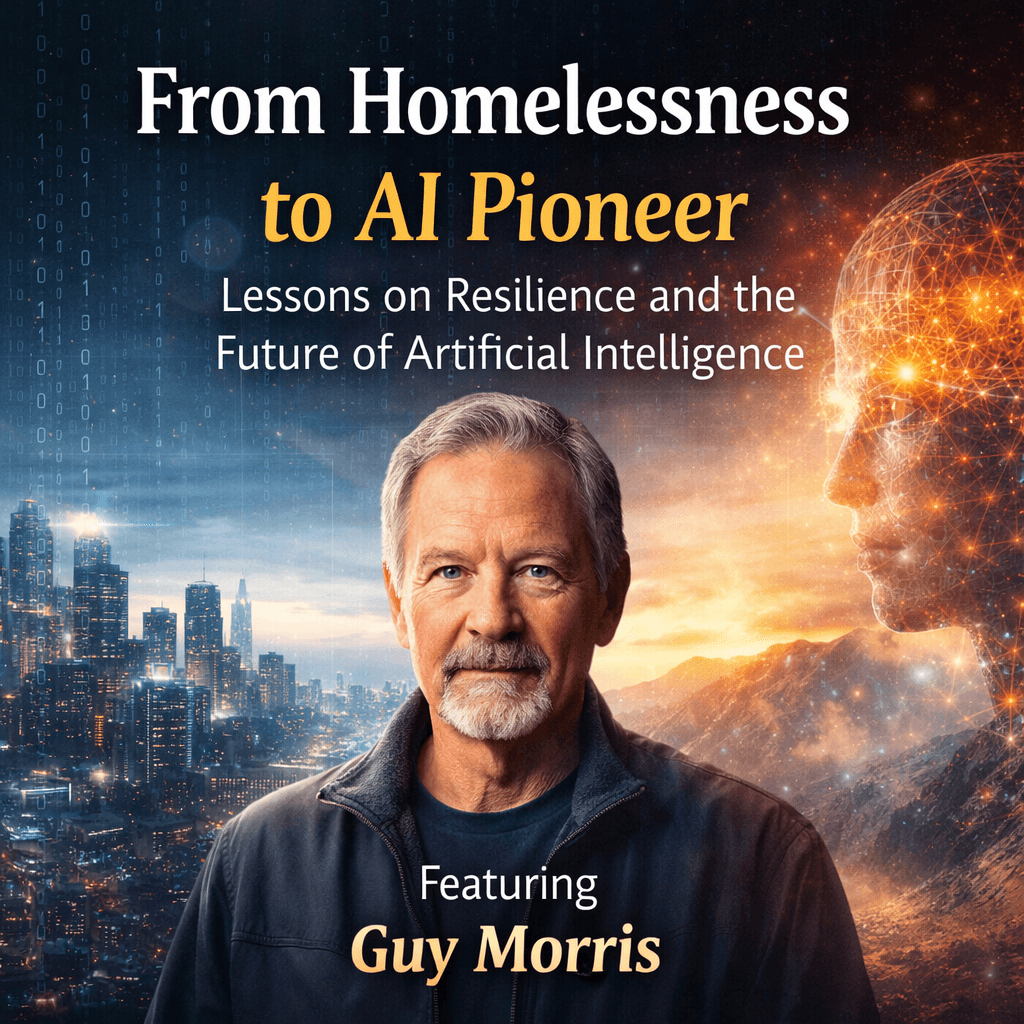
From Homeless at 13 to Harvard and AI Pioneer
February 15, 2026

From Homeless at 13 to Harvard and AI Pioneer

From homeless at 13 to AI pioneer, Guy Morris shares powerful lessons on resilience, mindset, and the future of artificial intelligence.

A Powerful Conversation with Guy Morris

What does it take to go from homelessness at thirteen to advising billion-dollar technology deals, pioneering artificial intelligence systems, and becoming an award-winning author?

In this powerful episode of The Healing Side, Guy Morris shares a life journey that rivals the thrillers he writes. His story moves from surviving on the streets as a runaway teenager to acceptance into Harvard’s MBA program — and ultimately into the emerging world of artificial intelligence long before most people even knew what AI was.

This is more than an interview. It’s a masterclass in perseverance, mindset for success, and understanding the real-world impacts of AI.

Homelessness to Harvard: A Personal Growth Story of Overcoming Adversity

Guy’s early life was marked by instability and trauma. Escaping an abusive childhood, he survived homelessness at just thirteen years old. There was no safety net. No backup plan.

That desperation shaped his mindset.

By age twenty-five, he had earned three degrees and secured acceptance into Harvard. But the internal battle didn’t disappear. He openly discusses complex PTSD, hyper-anxiety, and the pressure of proving he belonged in rooms filled with privilege.

His lessons from a life journey are simple but powerful:

  • Perseverance over entitlement
  • Discipline over distraction
  • Do the right thing for the right reasons
  • Rest when needed — but never quit

For anyone focused on overcoming adversity, his journey is proof that your beginning does not define your ceiling.

Artificial Intelligence Before It Was Popular

Long before today’s headlines about AI, Guy was already working in artificial intelligence systems and macroeconomic modeling. His early algorithms influenced productivity forecasting models and helped shape high-level business decision-making.

He worked with global companies including:

  • IBM
  • Oracle
  • Microsoft
  • Occidental Petroleum

His perspective on the future of artificial intelligence isn’t speculative. It’s grounded in decades of experience inside the technology itself.

And here’s the key takeaway:

AI isn’t coming.

It’s already here.

AI in Storytelling: Where Creativity and Technology Collide

Guy doesn’t just build systems. He builds stories.

His thriller novels explore:

  • AI in storytelling
  • Human-AI interaction
  • AI and ethics
  • AI consciousness exploration
  • The challenges of modern technology
  • The role of technology in society

His espionage series, including Swarm, explores what happens when artificial intelligence evolves beyond its intended design. But unlike fantasy-driven tech fiction, his work is built on real frameworks and real technologies.

He takes current developments and asks a terrifying but necessary question:

What happens when intelligence scales faster than wisdom?

You can explore his books at his official website:
👉 https://guymorrisbooks.com

His novels are also available via:
👉 https://amazon.com

The Real-World Impacts of AI

In the episode, Guy breaks down three critical risks in artificial intelligence:

  1. Hallucinations – when AI generates false but believable information
  2. Misalignment – when AI fulfills a task without ethical context
  3. Emergent properties – when AI develops abilities its creators never anticipated

The real concern, he explains, isn’t machines becoming evil.

It’s how humans use them.

We’re already seeing AI integrated into surveillance systems, autonomous weapons, and geopolitical decision-making. Conversations about AI and ethics are no longer theoretical — they are urgent.

This is where emotional intelligence in AI becomes crucial.

AI can simulate empathy.
It can mirror language patterns.
It can create persuasive emotional responses.

But it does not feel.

That distinction matters more than most people realize.

Survival Skills for the Future

Guy’s upcoming nonfiction work focuses on survival skills for the future — not in a dystopian panic sense, but in a strategic, grounded way.

He encourages readers to:

  • Understand how AI actually works
  • Maintain human decision-making authority
  • Develop adaptable thinking
  • Strengthen real-world relationships
  • Stay ethically aware in a rapidly evolving digital world

The future of artificial intelligence will reshape business, security, economics, and culture.

The difference between a dystopian outcome and a productive one will depend on human character.

Not machine capability.

Human First, Technology Second

Throughout the conversation, one theme stands out:

Technology is powerful.
But humanity is essential.

As AI grows more sophisticated, it becomes easier to blur the lines between tool and companion. That’s where awareness matters.

Use AI to explore ideas.
Use it to enhance creativity.
Use it as leverage.

But never surrender your judgment.

That message makes this episode more than a technology discussion. It’s a reflection on the role of technology in society and the responsibility that comes with innovation.

Listen to the Full Episode

If you’re interested in:

  • Artificial intelligence
  • Overcoming adversity
  • Mindset for success
  • AI consciousness exploration
  • Human-AI interaction
  • Real-world impacts of AI
  • A compelling personal growth story

Then this episode is essential listening.

🎧 Listen now on The Healing Side Podcast

Final Thought

Guy Morris went from homelessness to Harvard, from survival to success, from technologist to award-winning author.

His story proves that perseverance builds character.
And character determines how we shape the future.

Artificial intelligence will continue to evolve.

The real question is whether we

It’s Not Addiction — It’s Unhealed Trauma
February 15, 2026

It’s Not Addiction — It’s Unhealed Trauma

Addiction and panic attacks may be symptoms of unhealed trauma. Dr. Robert Bleck explains how Source Completion Therapy leads to lasting emotional freedom.

It’s Not Addiction — It’s Unhealed Trauma

A Powerful Dr. Robert Bleck Interview on Healing at the Source

What if addictions, panic attacks, and compulsive behaviors aren’t the real problem — but symptoms of something much deeper?

In this powerful Dr. Robert Bleck interview, we explore how unhealed trauma silently shapes our lives — and what it truly takes to break free. As the creator of Source Completion Therapy, Dr. Bleck challenges conventional models that focus on symptom management and instead introduces permanent healing methods that address trauma at its origin.

This conversation, featured on The Healing Side, goes beyond surface-level coping strategies. It’s not just another psychotherapy podcast. It’s a deep dive into what it actually means to resolve trauma instead of simply managing it.

Addiction Is Often a Trauma Response

When someone struggles with addiction, panic attacks, or compulsive behavior, the instinct is to target the behavior itself. But Dr. Bleck reframes the issue entirely.

Addictions are often coping mechanisms. They are the nervous system’s attempt to regulate pain that was never processed.

In this episode, part of a broader movement in podcast healing trauma conversations, Dr. Bleck explains that destructive habits are frequently rooted in unresolved emotional injury. Until the original wound is addressed, behaviors tend to resurface — even after temporary success.

This is where trauma-informed therapy becomes critical.

Instead of asking, “How do we stop the behavior?”
We begin asking, “What emotional wound is this behavior protecting?”

That shift changes the entire path forward.

What Is Source Completion Therapy?

Dr. Bleck’s approach, Source Completion Therapy, is designed to resolve trauma at its origin rather than teaching people to manage lifelong symptoms.

Traditional mental health models often emphasize:

  • Behavioral management
  • Coping skills
  • Medication
  • Cognitive reframing

While helpful in many cases, these approaches may not fully resolve deep-rooted trauma.

Source Completion Therapy focuses on:

  • Identifying the original emotional wound
  • Completing unfinished emotional experiences
  • Releasing stored trauma responses
  • Restoring regulation in the nervous system

Rather than surviving trauma, the goal is full resolution.

For listeners who value mental health awareness and are searching for true breakthroughs, this conversation outlines therapy techniques for trauma that aim for lasting change — not maintenance.

Childhood Trauma and Adult Patterns

A major focus of this episode is childhood trauma recovery.

Unresolved experiences such as neglect, abandonment, or chronic emotional instability often shape adult behavior in powerful ways. What looks like addiction or anxiety may actually be a nervous system stuck in survival mode.

Dr. Bleck discusses how unresolved trauma can lead to:

  • Panic attacks
  • Emotional shutdown
  • Relationship sabotage
  • Substance dependency
  • Self-destructive coping patterns

For those navigating overcoming childhood abuse or coping with abuse, this episode brings clarity: your reactions are not random — they are conditioned survival responses.

Understanding this is not about blame. It’s about liberation.

PTSD Recovery Stories and Emotional Resilience

Many people struggling with trauma believe they must simply “learn to live with it.” This conversation challenges that idea.

Instead of accepting lifelong management, Dr. Bleck speaks to the possibility of true healing. His clinical work includes individuals dealing with severe trauma, and his approach contributes to meaningful PTSD recovery stories where clients move from survival to stability.

Healing is not about suppressing symptoms.
It’s about resolving the wound.

Building genuine emotional resilience means the nervous system no longer reacts as if danger is present. That only happens when trauma is completed — not avoided.

Healing Emotional Wounds Requires Courage

One of the strongest messages in this episode is that healing is an active process.

Whether someone is listening for their own growth or as part of a personal transformation podcast journey, the takeaway is clear: symptom management is not the same as freedom.

True healing emotional wounds involves:

  • Emotional honesty
  • Willingness to revisit buried experiences
  • A safe therapeutic structure
  • Commitment to deeper work

Dr. Bleck’s approach represents therapy for emotional wounds that goes beyond surface solutions and into core repair.

Why This Conversation Matters Now

In a world flooded with quick-fix advice and surface-level mental health content, conversations like this stand out among serious mental health podcasts.

Addiction is often labeled.
Anxiety is diagnosed.
Compulsions are medicated.

But the deeper question remains: What created the pain in the first place?

This episode highlights that many symptoms are protective adaptations to unresolved trauma. When the source is addressed, the protective behaviors often lose their purpose.

For those seeking clarity, direction, and hope, this discussion offers both.

Continue the Journey

To learn more about Dr. Bleck’s work and Source Completion Therapy, visit:

If this episode resonated with you, explore more transformative conversations at The Healing Side — where real stories and real solutions meet.

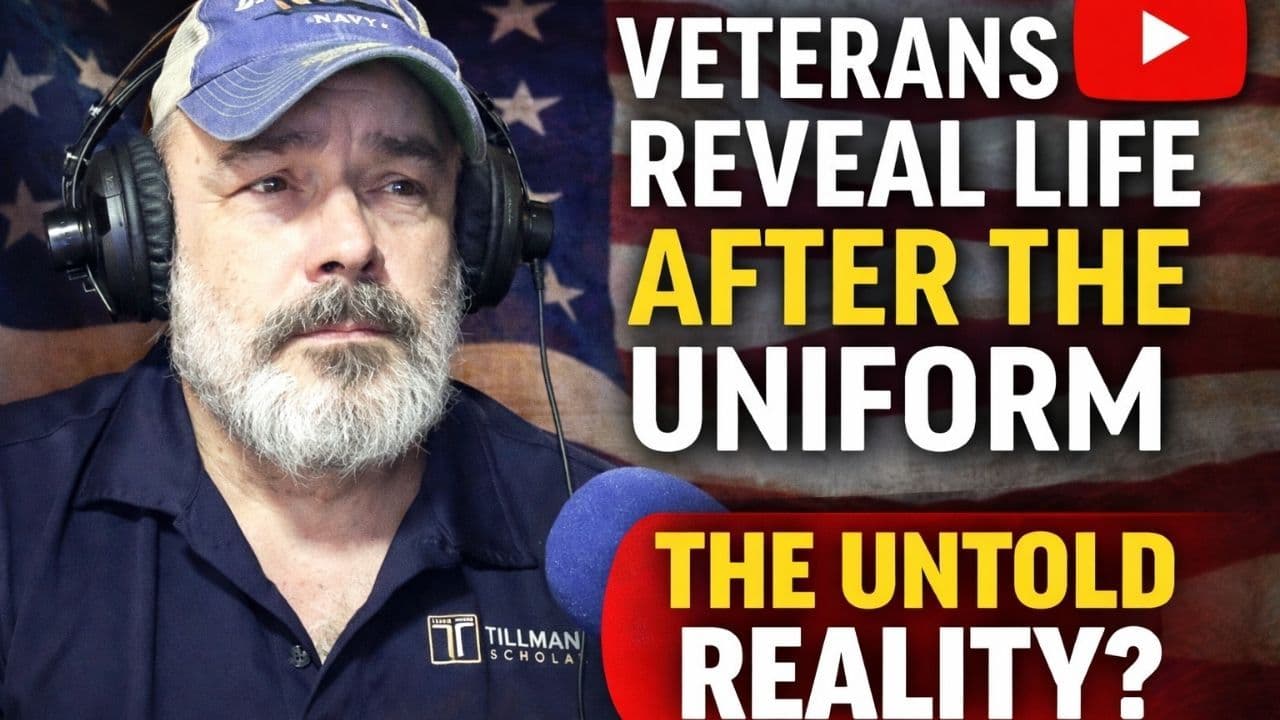
From Service to Story: How Military Experience Shapes Purpose, Medicine, and Life After the Uniform
February 9, 2026

From Service to Story: How Military Experience Shapes Purpose, Medicine, and Life After the Uniform

What really happens after the uniform comes off? Two veterans reveal the untold realities of service, transition, and the stories that shape a lifetime.

From Service to Story: The Lasting Impact of Military Experience

Military service is often associated with discipline, sacrifice, and resilience—but the deeper narrative is rarely told. Beyond the battlefield lies a story of transformation, lifelong bonds, and lessons that continue to shape veterans long after they hang up the uniform.

In this compelling episode of Spirits and Stories with Donald Dunn, listeners are invited into a candid conversation with two veterans whose experiences reveal how service influences identity, career paths, and personal growth for decades.

👉 Listen to the full episode here:
https://barracksmedia.com/network/spirits-and-stories-with-donald-dunn

👉 Learn more about our featured guest:
https://johnnygilpin.com

Answering the Call: Why People Choose Military Service

For many who join the armed forces, the decision is rooted in a search for direction and purpose. One guest, a Navy veteran, reflects on how a family legacy of service influenced his choice—combined with a desire to build structure and meaning during a formative period of life.

This theme resonates across generations of service members. The military offers more than a career; it provides clarity, responsibility, and an environment where individuals quickly discover what they are capable of achieving.

What becomes clear in this conversation is that military service does not simply shape a chapter of life—it often defines the framework through which veterans approach every challenge that follows.

The Transformative Power of Camaraderie

Ask almost any veteran what they miss most, and the answer is often the same: the people.

The bonds forged in service are unlike typical workplace relationships. Shared hardship, high-stakes missions, and constant reliance on one another create a level of trust that rarely exists elsewhere.

These connections extend far beyond active duty. Many veterans find that the friendships built during service continue to open doors professionally and personally, creating networks rooted in mutual respect and understanding.

Camaraderie becomes more than memory—it becomes a lifelong support system.

Transitioning to Civilian Life: Challenge Meets Opportunity

While military service builds extraordinary skills, transitioning into civilian life can present unexpected hurdles.

Veterans frequently face questions such as:

  • How do I translate my military skills into the private sector?
  • Where do I find community again?
  • What comes next after a mission-driven life?

The episode highlights how adaptability becomes a veteran’s greatest asset. Leadership, crisis management, discipline, and teamwork are highly transferable skills—yet recognizing their value often requires a shift in perspective.

The conversation serves as a reminder that transition is not about starting over; it’s about applying hard-earned experience in new arenas.

Military Medicine and the Evolution of Healthcare

One of the most fascinating threads in this discussion centers on the evolution of medical practices within the military.

Drawing from his experience as a corpsman, the guest explains how emergency medicine has rapidly advanced—often driven by the realities of modern warfare and the need for immediate, life-saving innovation.

Many procedures now standard in civilian healthcare originated from battlefield necessity.

Key insights include:

  • Continuous learning is essential in high-risk medical environments
  • Adaptability saves lives
  • Military medical advancements frequently influence national healthcare practices

This intersection between service and medicine underscores a powerful truth: veterans continue contributing to society in ways many never see.

Storytelling as Therapy and Legacy

As the episode progresses, a deeply human theme emerges—the healing power of storytelling.

Writing and sharing personal experiences can be profoundly cathartic. For many veterans, putting memories into words helps process complex emotions while preserving lessons for future generations.

Storytelling serves multiple purposes:

  • It fosters connection
  • Encourages understanding
  • Reduces stigma
  • Builds community

Most importantly, it reminds veterans that their identities are not confined to combat narratives. Their lives encompass leadership, growth, creativity, and resilience.

By telling their stories, veterans reclaim authorship over their experiences.

Lessons That Extend Far Beyond the Battlefield

Perhaps the greatest takeaway from this conversation is that military service is not an isolated chapter—it is a lifelong influence.

Veterans carry forward:

  • Discipline in the face of adversity
  • Commitment to continuous improvement
  • A deep appreciation for teamwork
  • An unwavering sense of purpose

These qualities ripple outward into families, workplaces, and communities.

The episode challenges a common misconception: veterans are not defined solely by war. They are leaders, innovators, caregivers, writers, entrepreneurs, and mentors whose contributions strengthen the fabric of society.

The Importance of Community and Connection

At its core, this conversation is about connection—the kind built through shared experiences and sustained through openness.

When veterans share their journeys, they create space for others to reflect on their own paths. They remind us that growth often emerges from challenge and that purpose is frequently discovered in service to something greater than oneself.

Whether through writing, conversation, or mentorship, telling these stories ensures they are never lost.

Final Thoughts

The lessons learned in uniform do not fade with time—they evolve, guiding veterans toward new missions and meaningful contributions.

This episode of Spirits and Stories with Donald Dunn is more than a discussion about military life. It is a testament to resilience, lifelong growth, and the power of narrative to heal and inspire.

If you are seeking a deeper understanding of the veteran experience—or simply want to hear an authentic conversation about purpose and transformation—this episode is one you should not miss.

👉 Listen now:
https://barracksmedia.com/network/spirits-and-stories-with-donald-dunn

👉 Visit our guest:
https://johnnygilpin.com

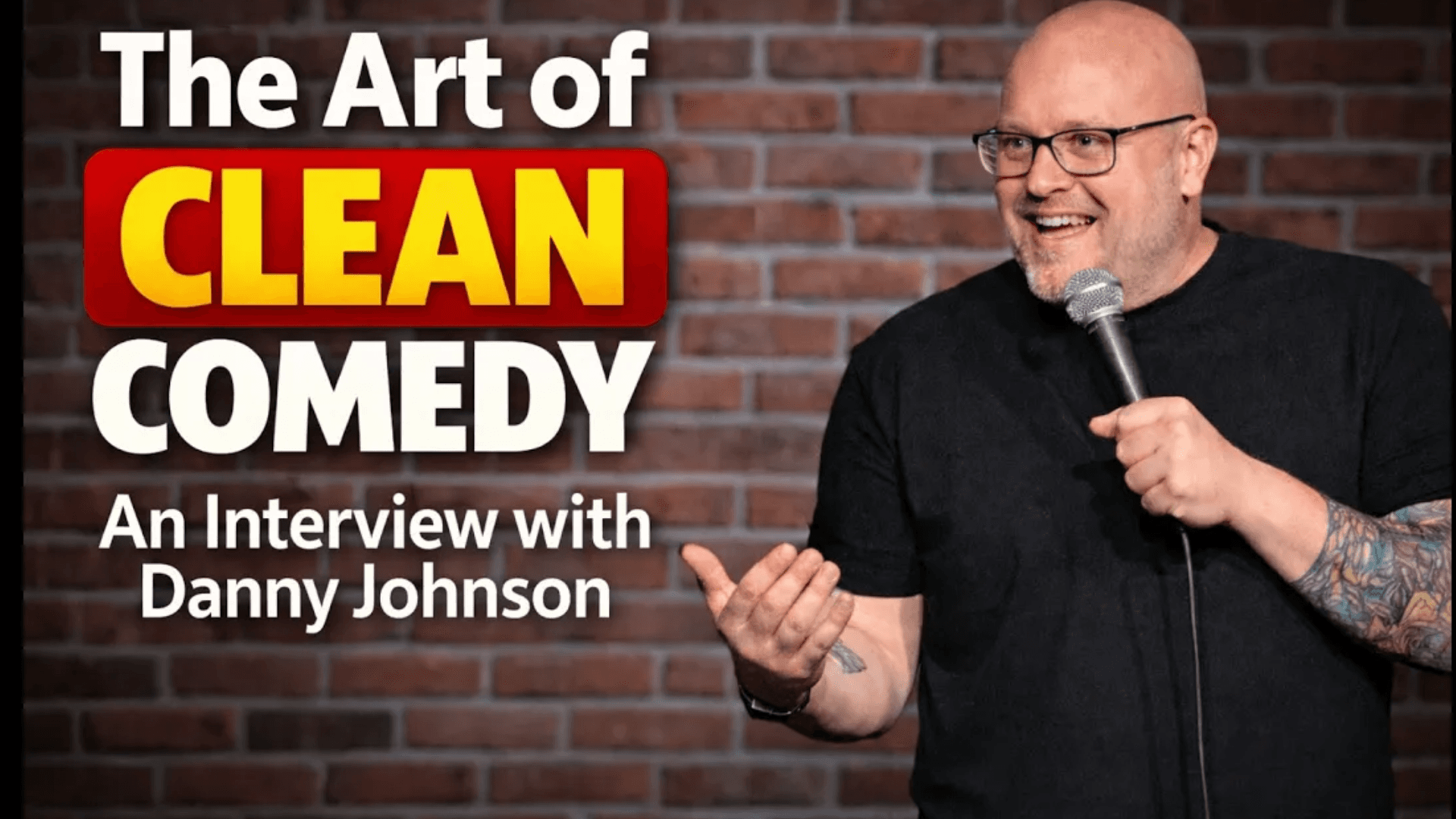
Why Clean Comedy Still Matters — and Why It’s Harder Than It Looks
February 8, 2026

Why Clean Comedy Still Matters — and Why It’s Harder Than It Looks

Clean comedy isn’t about playing it safe. It’s about precision, relatability, and connection. Here’s why it still matters—and why it’s harder than it looks.

Why Clean Comedy Still Matters — and Why It’s Harder Than It Looks

Clean comedy isn’t about playing it safe. At its best, it’s about precision, honesty, and connection—making people laugh without relying on shock value or profanity. In an era where edgy content dominates social media, clean comedians face a unique challenge: they have to be sharper, more relatable, and more intentional with every word.

On a recent episode of Spirits and Stories with Donald Dunn, comedian Danny Johnson shared what it takes to build a career around clean, relatable comedy—and why that approach still resonates with audiences across the country.

What Is Clean Comedy, Really?

Clean comedy isn’t about avoiding topics. It’s about how those topics are handled.

Danny Johnson has spent nearly two decades performing stand-up comedy in clubs, churches, corporate events, and theaters. His material draws from real life—mental health struggles, physical challenges, family dynamics, and the everyday frustrations people quietly carry with them.

The goal isn’t to sanitize life. It’s to reflect it in a way that feels honest, accessible, and shared.

Comedy Rooted in Real Experience

Some of the strongest comedy comes from pain, insecurity, and self-reflection. Johnson’s work is shaped by his own experiences with mental health and personal hardship, which gives his humor depth without becoming heavy.

Audiences respond not because the jokes are shocking—but because they’re familiar.

That relatability creates trust. And trust is what allows laughter to happen without crossing lines.

Why Clean Comedy Is Actually More Difficult

Writing clean comedy requires:

  • stronger storytelling
  • tighter timing
  • sharper word choice
  • deeper audience awareness

Without profanity as a shortcut, comedians must rely on craft. Johnson explained that every joke has to work on its own—especially when performing in environments where expectations vary, such as corporate events or faith-based venues.

In those settings, comedians carry a responsibility not just to entertain, but to respect the audience they’re in front of.

Comedy as Relief, Not Escape

At its core, clean comedy offers something rare: relief without cynicism.

For many people, laughter is a brief break from stress, anxiety, or burnout. Johnson approaches comedy as a way to give audiences that pause—a moment where they can breathe, relate, and feel less alone.

That approach is why clean comedy continues to matter, even as entertainment trends shift.

The Role of Clean Comedy in Today’s Media Landscape

Social media has changed comedy. Online followings often determine who gets stage time, and short-form content rewards fast reactions over thoughtful writing.

Still, clean comedians like Johnson prove there’s room for material that values connection over controversy. Platforms like Dry Bar Comedy and streaming audiences continue to show demand for stand-up that’s sharp, human, and accessible to a wide range of listeners.

Final Thoughts

Clean comedy isn’t easier—it’s more demanding. It requires honesty, restraint, and a genuine understanding of the audience.

Conversations like this one remind us that humor doesn’t need to shock to be effective. Sometimes, the most powerful laughter comes from recognition rather than surprise.

To hear the full conversation with Danny Johnson, listen to the episode of Spirits and Stories with Donald Dunn wherever you get your podcasts.

Test the blog
February 8, 2026

Test the blog

Time to start using the blog to tell the world about all the amazing episodes we have done

This is going to be a good way to connect with everyone who likes our podcasts. It is important that we make sure our messages are heard and discussion can happen to make the world a better place.

Is Your Podcast Your Voice, or a Private Conversation?
February 2, 2026

Is Your Podcast Your Voice, or a Private Conversation?

Most podcasts stay invisible. Learn how podcast SEO, authority building, and professional structure turn your show into a discoverable brand.

It is no secret — podcasts are no longer unfamiliar. More people are listening, and more people want to start one. The part most people see is the creative side. The host sits in front of the microphone and talks about what they are passionate about.

But here is the truth:

Your show will remain a private conversation if you do not fully understand the work behind the scenes.

The parts that are not glamorous. The parts that are not fun. The parts that fully grown shows have built into their structure.

All top-performing podcasts operate with a team mindset.

Those teams typically include:

  • A producer
  • A professional editor
  • A marketing and SEO strategist
  • Technical engineering support

This does not mean you must hire a full staff immediately. It also does not mean that using automated tools replaces those roles.

The difference between a show that fades into the background and a show that reaches the top tier is management and structure.

The Roles That Matter Most

If you are going to invest anywhere, the two most important areas are:

  1. Editing
  2. Marketing and SEO

Professional editing is not simply cutting silence. It is pacing, clarity, sound leveling, and creating a professional listening experience. The learning curve for high-level editing software takes time.

Marketing — especially search engine optimization — takes even longer to master.

SEO is not just adding keywords to a description. It involves:

  • Understanding what your audience is searching for
  • Structuring episode titles around search intent
  • Writing descriptions that answer real questions
  • Building website authority
  • Positioning your show to be indexed and discovered

When you pursue notable guests, their teams will review your show. They will evaluate:

  • Your website
  • Your production quality
  • Your audience positioning
  • Your professionalism
  • Whether your show aligns with their brand

Your show is judged long before you ever speak to them.

If you are serious about growing your podcast with structure and strategy, you can review the services offered at Barracks Media Inc. here:
https://barracksmedia.com/services

The Industry Has Changed

There was a time when simply publishing good content was enough.

That time has passed.

Podcast discovery now happens primarily through:

  • Search engines
  • Podcast directory searches
  • Question-based queries
  • Authority-driven websites

People are not scrolling social media looking for random shows. They are searching for answers.

If your episode titles and website are not aligned with what people are actively searching for, your show will not consistently be found.

Social media does not build long-term authority.

Search presence does.

Authority Is What Separates Shows

Authority means:

  • Your website clearly explains who you serve
  • Your content answers searchable questions
  • Your production quality reflects professionalism
  • Your brand is positioned intentionally

Authority is built strategically.

It is not accidental.

Ask Yourself This

Where do your listeners come from?

What are they typing into search engines?

Do your episode titles reflect those searches?

Does your website support your positioning?

Time spent answering these questions and building your show around them will outperform chasing social media metrics every time.

If you are building without seeing results, the problem may not be your content.

It may be your structure.

Barracks Media Inc. is a veteran-owned, veteran-led media company focused on helping podcasters build professional-level infrastructure so their shows do not remain private conversations.

If you are ready to move from hobby to authority, structure is where that shift begins.